
Attending an event at SoFi Stadium is an unforgettable experience, whether you’re going to an NFL game, a major concert, or a global event like the World Cup. However, getting to the stadium on game day can quickly become stressful if you don’t plan ahead.
Located in Inglewood, near Los Angeles International Airport (LAX), SoFi Stadium attracts massive crowds, leading to heavy traffic, limited parking, and long wait times. In this guide, you’ll learn how to get to SoFi Stadium without stress, with smart transportation strategies that save time and improve your overall experience.
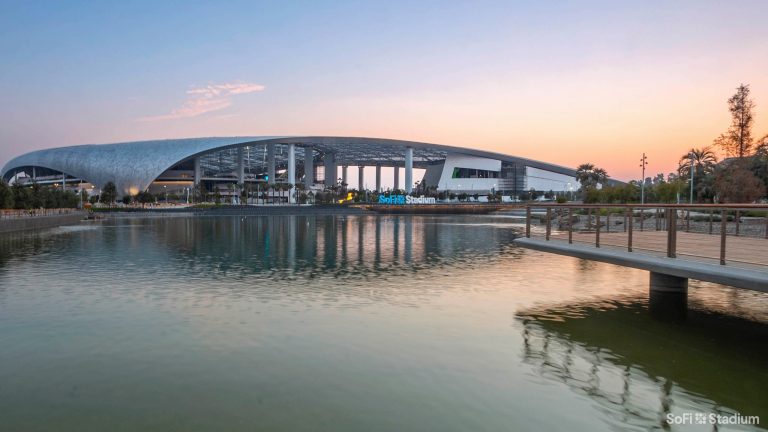
SoFi Stadium is one of the most modern venues in the world, but its popularity comes with logistical challenges. Thousands of fans arrive at the same time, creating congestion on major routes like I-405 and I-105.
Popular keywords: SoFi Stadium transportation, how to get to SoFi Stadium, SoFi Stadium parking tips, game day transportation Los Angeles, Inglewood traffic tips.
Common challenges include:
Timing is everything on game day. Arriving too close to kickoff or event start time can mean sitting in traffic for extended periods.
Tips:
Parking at SoFi Stadium is limited and often requires advance reservations. Many lots sell out quickly, and prices can be high.
What to know:
If you choose to drive, plan your parking strategy in advance to avoid last-minute issues.
Rideshare services like Uber and Lyft are widely used on game days, but they come with drawbacks.
Pros:
Cons:
Some visitors choose park-and-ride options, where you park in a designated area and take a shuttle to the stadium.
Benefits:
However, availability can be limited, and schedules may vary depending on the event.
For those looking for a seamless and comfortable experience, a private transportation service is one of the most efficient ways to get to SoFi Stadium.
Advantages:
This option is especially valuable for groups, business travelers, or anyone attending high-demand events.
To improve your experience:
Leaving the stadium can sometimes take longer than arriving, so having a clear exit plan is essential.
Many visitors make common mistakes that increase stress:
Avoiding these mistakes can save hours of frustration.
After the event:
Planning your exit is just as important as planning your arrival.
Getting to SoFi Stadium doesn’t have to be stressful. With the right planning and transportation strategy, you can avoid traffic, reduce delays, and enjoy your event from start to finish.
Whether you’re attending a major sports event or a concert, your transportation choice plays a key role in your overall experience.
If you want to attend your next event at SoFi Stadium without dealing with traffic, parking, or long waits, choosing a professional chauffeur service can make all the difference. With a reliable option like Ogun Limo, you can enjoy a smooth, comfortable ride and focus entirely on the event ahead.
The best options include private car services, rideshare, and public transit with shuttle connections. Many visitors prefer pre-arranged transportation to avoid delays and parking stress.
It’s recommended to arrive at least 2 to 3 hours before the event, especially during major games or concerts, to avoid traffic congestion and long entry lines.
Yes. Visitors can take Metro lines to the LAX/Metro Transit Center and connect to a free shuttle service that runs directly to the stadium on event days.
Traffic around Inglewood and major highways can be extremely heavy during events, often doubling travel time. Planning ahead is essential.
Parking is limited and usually must be reserved in advance. Many visitors choose alternative transportation to avoid high costs and congestion.
Rideshare services have designated pickup and drop-off zones near the stadium, typically located on Kareem Court for organized access.
Yes. Many park-and-ride locations offer shuttle services to SoFi Stadium, allowing visitors to avoid driving directly into high-traffic areas.
Private transportation provides scheduled pickups, professional drivers, and direct routes, helping avoid parking issues, delays, and post-event congestion.